
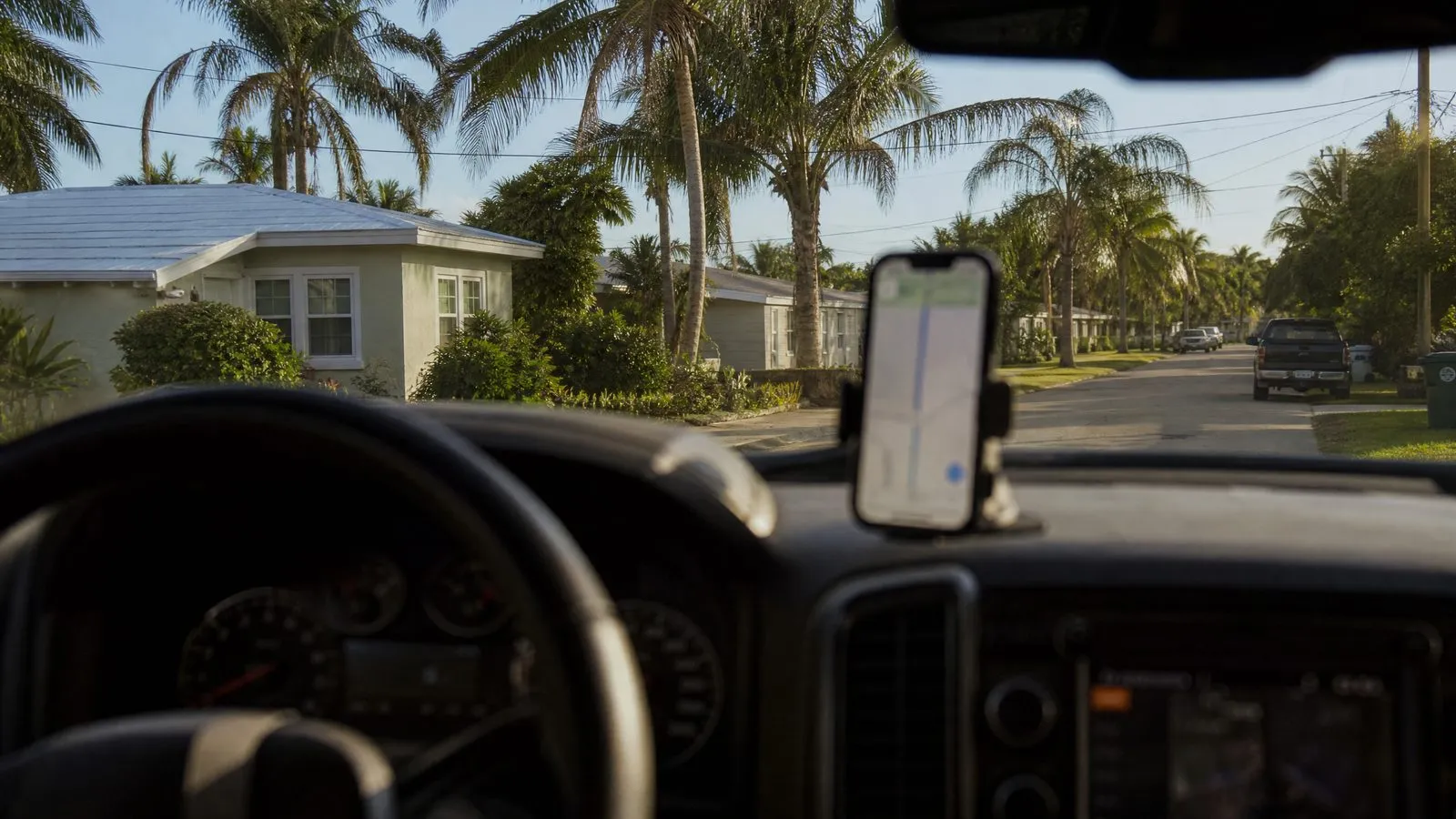

Here is the thing that surprises owners most. Take a phone you’re logged into, and ask a very local question without typing a city or a state. Just “plumber,” or “urgent care,” or “who fixes garage doors.” Google already knows where you live and what is around you. So does the AI assistant. It answers for where you are standing, not for where the internet is.
That sounds like a small detail. It changes how you should think about being found.
Tampa Bay is many markets
Ask ten people where Tampa starts and ends and you will get ten answers. Tampa is a big city with pockets that locals treat very differently. South Tampa, Westshore, Carrollwood, Temple Terrace, Brandon, Riverview, Wesley Chapel, Clearwater and St. Petersburg all get called Tampa by somebody. A customer in Brandon doesn’t think like a customer in South Tampa, and neither of them thinks like someone in Wesley Chapel.
So a business doesn’t rank “in Tampa.” It ranks for a person standing in one of those places, searching for one thing. A roofer who owns Westshore can be invisible two towns over. When an owner tells me they’re number one, I ask one question back. Number one where?
Close on the map, far apart in feel
South Tampa, Clearwater and Wesley Chapel are close enough to drive between, and they are different worlds. Some areas lean touristy, some residential, some commercial. House prices change from one to the next, and so do the people buying. You have to know your audience and know what you are selling to them.
Be realistic about where you work, too. Contractors tell me they will go anywhere for a job. They won’t. A gutter company in Dade City isn’t going to Clearwater for a free estimate, or maybe for a great job but not for that. Traffic can turn it into a two-hour trip. Build pages for the places you will truly go, and your ranking will match your real service area.
Maps is a distance game first
Google says local results depend on relevance, distance and prominence. Relevance is how well your listing matches what was typed. Prominence is how well known you are, mostly reviews and links. Distance moves every time the searcher does, and it is the one owners forget.
Local content is what closes the gap
I’ve seen plenty of businesses do well by putting localized content on their own website. You can’t move your building. You can give Google and the AI a reason to connect you with a place. Write real pages about the communities you serve, with real details about those places, not a list of twenty city names in one paragraph. Our pages for Brandon and Tampa show how that looks.
The people matter, too. Different parts of the bay attract different people, and they want different things. Someone who has just moved to a new neighborhood searches differently from someone whose family has been there for forty years. Good local content sounds like you understand the person on the other end.
Test it from your customers’ side
Your phone knows where you live and work, so search from your own office and it will lean toward your own office. Test from where your customers are instead.
- List the five to eight neighborhoods or towns where you want more calls.
- Write the exact phrase a customer would type, like “roof repair” or “emergency plumber.”
- Search from each area, or ask a friend or employee to, with the map view open.
- Record where your business appears, or that it doesn’t, and who shows up above you.
- Put the notes in a sheet with the date.
You will see a pattern after a few stops. Most owners find a strong zone near the office, a patchy ring around it, and a blank area further out.
Why a competitor beats you on your own street
It stings when someone across town outranks you in your own neighborhood. The ordinary reasons are more reviews, reviews that mention the exact service, a primary category that fits the search better, or a site with a page for that service where yours has a paragraph. Put their profile next to yours and compare line by line. The gaps are usually plain once you do.
What moves the pin outward
- Pick the primary category that fits the search best.
- Collect reviews from real customers, in their own words, that mention the work and the area.
- Build a page for each community you truly serve.
- Earn links from local groups, which tell Google you belong to the neighborhood.
Listing a service area on your profile helps customers understand where you go, but it doesn’t make you rank like you have a storefront there. And please don’t invent an address in a town where you have none. Google suspends listings for that, and getting one back is miserable.
The takeaway
A single ranking is a snapshot of one street. If your calls come mostly from one side of the bay, that is useful, because it tells you where the next page and the next review request should go. To track the whole picture over time, see reading your results over time. The Google Maps SEO page covers how we handle it.